
Château Profiles
Discover the Iconic Château de Fontainebleau
The Château de Fontainebleau, an emblem of French royal grandeur and a hallmark of Renaissance artistry, captivates visitors from around the globe. Its strategic location in the heart of France makes it accessible via public transportation, offering an effortless journey from Paris. Being a UNESCO World Heritage Site, this French royal palace has played host to a plethora of French monarchs, beginning with Louis VII and continuing through to Napoleon Bonaparte and his successors. With its rich tapestry of history and undiminished splendor, the Château stands as a beacon of European heritage and cultural evolution.
Unlike other monumental sites such as Versailles, which attracts nearly 10 million visitors annually, the Château de Fontainebleau presents a more serene yet profoundly enriching experience. Remarkably, it remained largely undamaged during the French Revolution, preserving its historical integrity. A significant restoration project initiated in 1964 has further enhanced its allure, following its occupation during World War II. This palace embodies the quintessence of French history, having housed numerous influential figures including King Philip IV, Francis I, and Catherine de Medici.
Key Takeaways
- The Château de Fontainebleau offers an accessible journey from Paris via public transit.
- It has a rich history, housing French monarchs from Louis VII to Napoleon.
- Designated as a UNESCO World Heritage Site.
- Remained largely undamaged during the French Revolution, contributing to its pristine condition today.
- Significant restoration efforts were initiated in 1964 after World War II.
A Glimpse into History: The Château de Fontainebleau
The history of Fontainebleau offers a rich tapestry that reflects centuries of French grandeur. Originally conceived as a royal hunting lodge in the 12th century, the Château de Fontainebleau has seen a remarkable evolution through the eras, adorned by the successive monarchs who left their indelible marks on its walls. It flourished under Francis I, transforming into a Renaissance masterpiece that became a magnet for key historical figures and events.
The Origins of the Château
Rooted in the 12th century, the Château de Fontainebleau began its life as a modest royal hunting lodge. The royal residence soon turned into a symbol of sophisticated elegance, evolving significantly under the auspices of Francis I. His vision molded it into a stunning Renaissance palace, setting the stage for the remarkable journeys that lay ahead.
Key Historical Events
The annals of Fontainebleau are replete with unforgettable events. Among them, Napoleon Bonaparte’s farewell to the Old Guard before his exile remains a poignant chapter in European history. This royal residence also bore witness to many diplomatic and social gatherings, highlighting its role beyond just a dwelling but as a crucial pivot point in history.
Famous Residents
From Francis I to Napoleon Bonaparte, and Empresses Josephine and Marie-Louise, the Château de Fontainebleau has been graced by famed personalities. Napoleon’s Fontainebleau palace, meticulously transformed by the emperor himself, features private rooms that reveal intimate details of his daily life, including his habits, grooming, and personal library. The grand halls and private apartments not only served as living quarters but also as spaces where historical decisions shaped the future of France.
Architectural Wonders of the Château
The Château de Fontainebleau stands as a magnificent testament to Renaissance architecture, attracting countless visitors with its rich history and aesthetic grandeur. This famous French castle has witnessed over eight centuries of French history and continues to be a major tourist attraction.
French Renaissance Design
The château epitomizes French Renaissance design, with the François I Gallery serving as a model for royal galleries across Europe. This 60-meter-long gallery is adorned with frescoes framed by stucco in high relief, featuring the salamander emblem of King Francis I. The School of Fontainebleau, established during the same period, brought together French and Italian artists, significantly influencing the French Mannerist style.
Notable Rooms and Galleries
The grandeur of the château extends to its notable rooms and galleries. The grand apartments reflect the opulence of its past residents, while the François I’s Salon du Donjon connects directly to the Galerie François I through the 12th-century Donjon St-Louis. Napoleon’s Throne Room epitomizes the Empire style with its strong, geometric forms and military motifs. Additionally, the Salle de Bal (Ballroom) features a boxed ceiling, a monumental fireplace, and frescoes by Dell’Abate and Primaticcio dating back to the 1550s.
Gardens and Outdoor Spaces
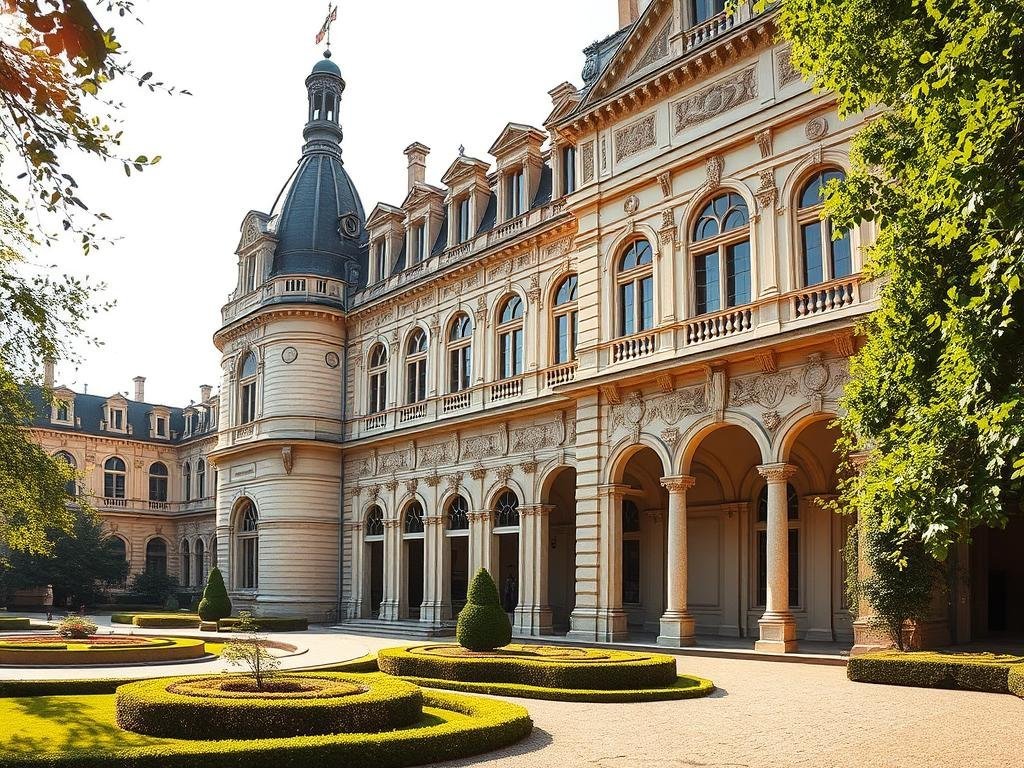
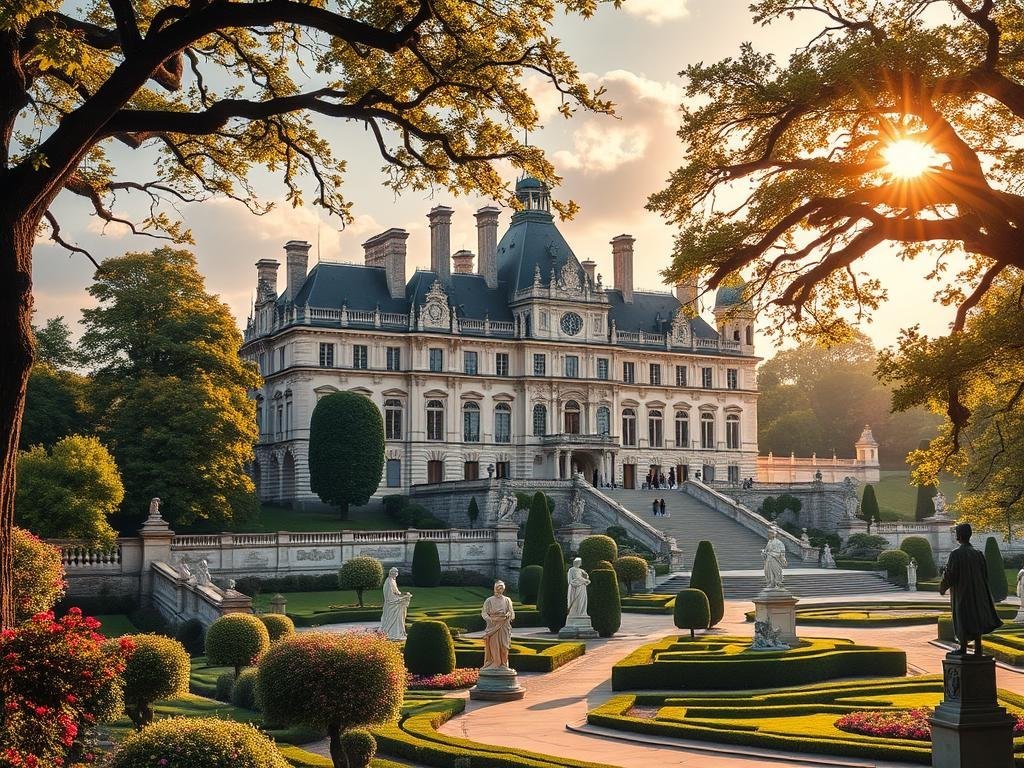
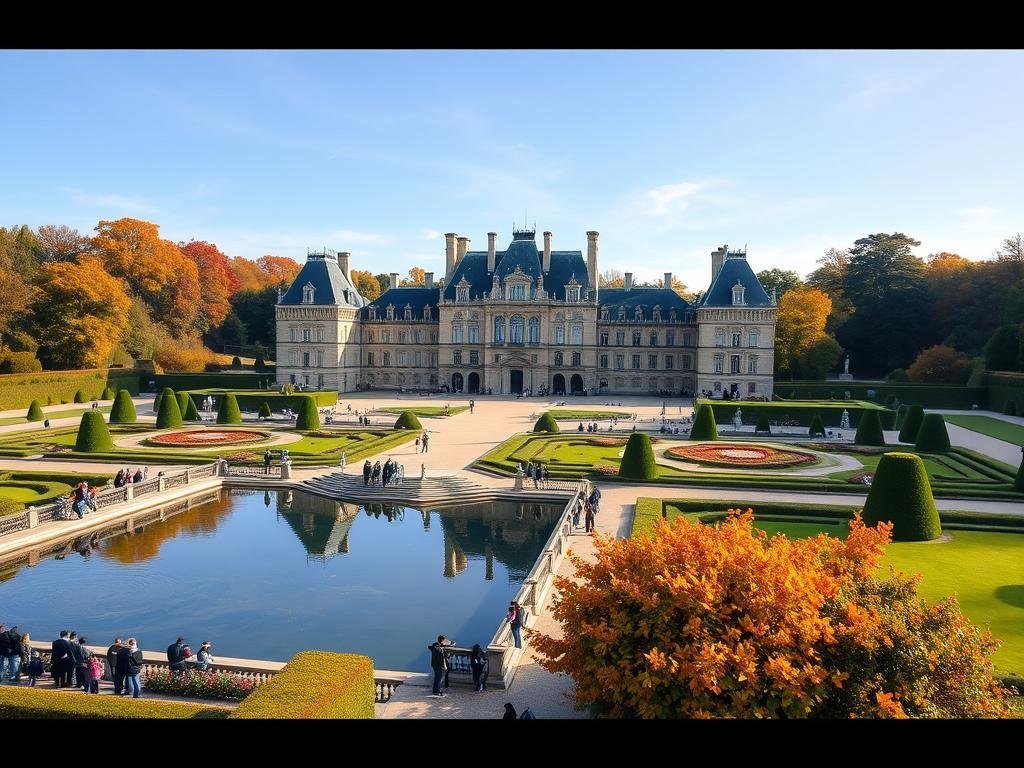
The Château de Fontainebleau’s gardens and outdoor spaces add to its allure as a famous French castle. The 130 hectares of parks and gardens blend formal French gardens from the 17th century with the more naturalistic English Garden created in the 19th century, showcasing the evolving landscape design styles. Designed by André Le Nôtre, the gardens provide a serene contrast to the opulent interiors of the château. Furthermore, the nearby Fontainebleau Forest, spanning 17,000 hectares and including trails for hiking and biking, preserves the historical hunting grounds of French royalty for modern enjoyment.
Cultural Significance of Château de Fontainebleau
The Château de Fontainebleau stands as a testament to the rich cultural heritage of France. Recognized as the Palace and Park of Fontainebleau, it was designated a UNESCO World Heritage Site in 1981 during UNESCO’s 5th session. Nestled in Fontainebleau, Seine-et-Marne, France, this regal estate is ingrained in French literary history and renowned for its significant contributions to French art.
A UNESCO World Heritage Site
The global recognition of Château de Fontainebleau underscores its pivotal role in cultural heritage. As a World Heritage Site, the château preserves a legacy that extends beyond its walls, boasting a mélange of Italian Renaissance and French classic designs. The surrounding park, inspired by Italian Renaissance gardens, adds to the château’s charm and historical importance.
Influence on French Art and Literature
Drawing upon its rich history, the Château de Fontainebleau has been a wellspring of inspiration for countless artists and writers. The School of Fontainebleau, which uniquely combined Italian and French artistic traditions, flourished here, profoundly shaping French art. Moreover, the château’s enduring presence continues to echo through the annals of French literary history, as numerous literary figures have been captivated by its historical elegance.
The château’s intrinsic beauty and its significance as a cultural heritage site provide a unique blend of artistic and historical elements. Through various eras, it has seamlessly merged its storied past with contemporary influences, making it a perpetual muse for creative minds.
Visiting the Château: What to Expect
Visiting the Château de Fontainebleau promises a journey through centuries of rich history, breathtaking architecture, and serene landscapes. Whether you opt for guided tours or explore on your own, the experience is bound to be enriching.
Opening Hours and Admission Fees
The Château de Fontainebleau is accessible year-round, offering visitors a chance to immerse themselves in its historical and architectural splendor despite the season. Admission fees vary, accommodating different budgets, ensuring that the realm of French history is open to all.
Guided Tours vs. Self-Guided Visits
Explore Fontainebleau with the option of engaging guided tours or choose self-guided visits for a more leisurely experience. Guided tours provide deep insights into the Château’s history and important events, while self-guided visits allow more flexibility, giving you time to appreciate at your own pace. This balance makes it a perfect tourist attraction for history aficionados and casual travelers alike.
Accessibility Information
Accessibility at Château de Fontainebleau is a priority, with provisions made for visitors with reduced mobility. Most areas, including the gardens and main galleries, are equipped to accommodate all guests, ensuring everyone can visit Fontainebleau easily. Additionally, its proximity to Paris—about an hour and a half drive or a quick trip by public transportation—makes it an accessible tourist attraction for everyone.
Events and Exhibitions at the Château
Experience the magic of the events at Fontainebleau, which turn the château into a vibrant cultural hub. From seasonal events to breathtaking art exhibitions, there is no shortage of captivating moments to enjoy at this iconic location.
Seasonal Events
The Château de Fontainebleau boasts a myriad of seasonal events that capture the essence of its rich history and cultural influence. In 2024, visitors can immerse themselves in unique experiences year-round, beginning with the re-enactment of Napoleon I’s farewell to his guard on April 20 and 21, commemorating 210 years after his abdication. Spring brings the European Crafts Day on April 6 and the Heritage Days event on September 21 and 22, offering free guided tours and enabling visitors to explore the ornate gardens and 1,500 furnished rooms. Special concerts by Thomas Hengelbrock and the Balthasar Neumann Ensemble take place in May and September, infusing the château with sublime musical performances.
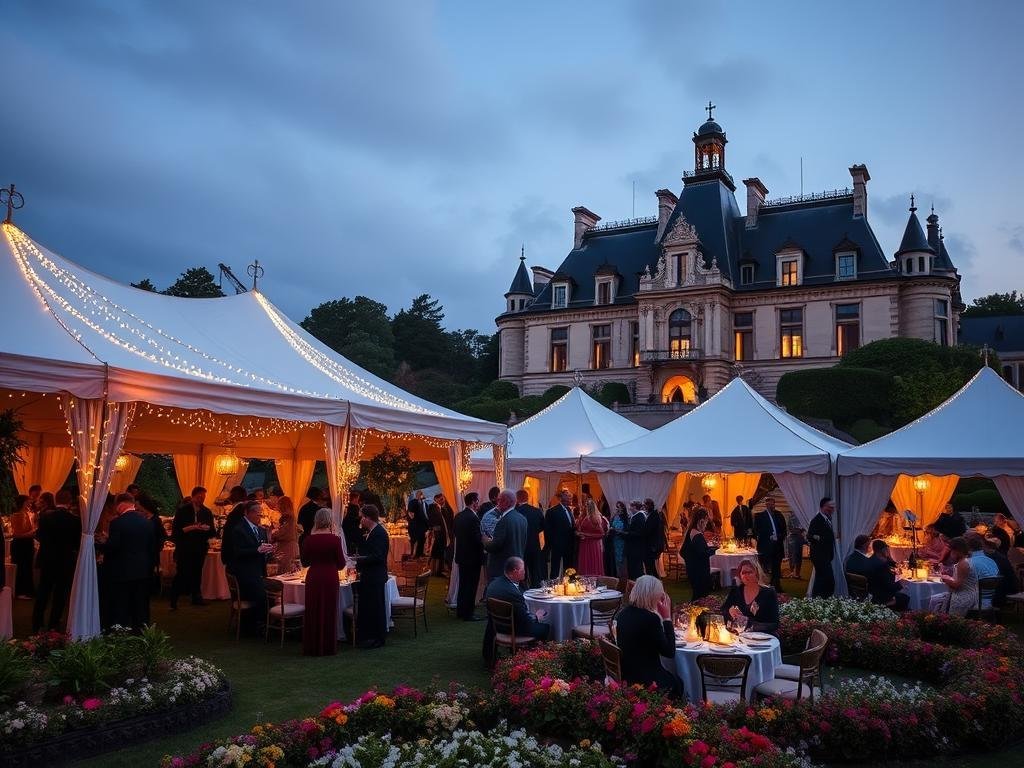
During the summer, don’t miss the Festival Django Reinhardt from June 27 to 30 and the American Art Schools Festival in July. The fall season continues to dazzle with the European Museum Night on May 18 and the Festival de l’histoire de l’art at the end of May, featuring themes of sport and Mexico as the guest country. The year concludes with a festive holiday program in December, ensuring a joyous end to 2024 at the château.
Art Exhibitions and Installations
The Château de Fontainebleau is not only a historical marvel but also a modern stage for art exhibitions and cultural events. One of the highlights is the “Fontainebleau, portraits d’un château” exhibition, showcasing 250 graphic works from the château’s collections, available until March 25, 2024. In autumn, visitors can admire the exhibition dedicated to Jean-Baptiste Oudry and the royal hunts, running from October 12, 2024, to January 27, 2025.
The château’s calendar also includes numerous other cultural events. Highlights include the FBLO Festival with STING on June 25, 2024, and the “Peintre de courre” exhibition detailing Jean-Baptiste Oudry’s work from October 12, 2024, to January 27, 2025. The European Museum Night on May 18 and the Spring Equestrian Sports event from April 22 to 28, 2024, are a testament to the château’s dedication to cultural enrichment and community engagement.
These art exhibitions and installations poetically bridge the past and present, making the Château de Fontainebleau a timeless venue for cultural discovery. Embrace the opportunity to explore the castle’s dynamic exhibitions and join the many cultural events that breathe new life into its storied halls.
Nearby Attractions Worth Exploring
As you delve deeper into the wonders of Fontainebleau, you’ll discover there is more to this region than just the iconic château. Fontainebleau tourism offers a plethora of local attractions, each adding a unique layer to your cultural experience.
The Town of Fontainebleau
Immerse yourself in the charming streets and quaint atmosphere of the town of Fontainebleau. Known for its historical essence and local cuisine, this town offers an enticing blend of past and present. Stroll through its picturesque streets, discover delightful boutiques, and enjoy a meal at one of the many inviting cafés.
The ease of transportation further enhances your experience, as Fontainebleau is a mere 40-minute train ride from Gare de Lyon to Fontainebleau – Avon. This proximity allows visitors to seamlessly incorporate this enchanted town into their itinerary.
Forest of Fontainebleau
Surrounding the château lies the magnificent Forest of Fontainebleau, a former royal hunting ground now offering an idyllic escape into nature. With its extensive network of trails, this forest caters to both casual walkers and avid hikers. The beauty of its ancient trees and serene landscapes makes it a perfect complement to the historical grandeur experienced at the château.
Adventurers and nature lovers can easily reach the Forest of Fontainebleau via a 40-minute train from Paris Gare de Lyon and a 20-minute bus to Barbizon, making it an accessible addition to any Fontainebleau tourism itinerary.
Whether you are drawn by the historical allure of the town or the natural splendor of the forest, the local attractions around Fontainebleau provide an enriching extension to your journey. These experiences perfectly complement the cultural and architectural marvels found within the château, offering a holistic view of this remarkable region.
Tips for Making the Most of Your Visit
Planning a visit to the Château de Fontainebleau can be a delightful experience, especially when you consider these travel tips. One of the best times to visit is during spring or early fall. This period offers pleasant weather and gardens in full bloom, enhancing your appreciation of the landscape architecture.
Best Times to Visit
When planning your visit to Fontainebleau, consider the best times to visit to fully enjoy the site. Although Fontainebleau is about 55 kilometers (34 miles) southeast of Paris, the journey is worthwhile for its historical significance and breathtaking scenery. Spring and early fall are ideal due to moderate temperatures and flowering gardens that create a picture-perfect backdrop for your exploration.
Recommended Itineraries
For a fulfilling experience, here are some recommended itineraries. Start your visit early to make the most of the day. Begin with a tour through the grand apartments, marvel at the art and furnishings that have been meticulously preserved, then proceed to explore the galleries and gardens. Don’t miss the Fontainebleau market on Tuesday, Friday, or Sunday mornings to enjoy local produce, cheese, and wine. Make sure to check the event schedule ahead of time to catch special exhibitions or guided tours, further enriching your visit.
By incorporating these travel tips and thoughtfully planning your visit to Fontainebleau, you can ensure a memorable and rewarding journey through one of France’s most iconic chateaux.
Dining and Shopping Options
Enhance your visit to the Château de Fontainebleau by indulging in a variety of dining experiences and exploring delightful shopping opportunities. Immerse yourself in the elegant ambiance of the historic setting while savoring local French cuisine and discovering unique souvenirs.
On-Site Cafés and Restaurants
The renowned “Les Petites Bouches de l’Empereur” offers a diverse menu, from set formules to a children’s menu, ensuring a dining experience that suits all tastes and budgets; current menus and prices are listed on the château’s official website. On Sundays and public holidays a brunch service is often available. Enjoy dishes crafted with fresh, seasonal, and mostly locally sourced ingredients by skilled Monument Café chefs.
For larger gatherings, the private room at the restaurant accommodates up to 36 people, making it ideal for group events. Access to the restaurant and Café des Mariniers is independent of the château entrance ticket, allowing you to enjoy these dining options without any additional fee. The proximity to the town of Fontainebleau and its convenient accessibility by train from Paris, less than an hour away, makes the experience even more enjoyable.
Souvenir Shops
No visit to the Château de Fontainebleau would be complete without a stop at the souvenir shops, where you can find exclusive memorabilia that captures the essence of the château’s artistic and royal heritage. From exquisite art prints to finely crafted goods, there are plenty of perfect mementos to remind you of your enchanting experience. As you explore the lavish courtyards and gardens, which are open free of charge every day, take your time to select the ideal souvenirs to take a piece of Fontainebleau home.
Conclusion: Why You Should Visit the Château de Fontainebleau
Embrace the magnificence of the Château de Fontainebleau, a sanctuary of French history and a jewel of architectural splendor. Serving as a residence for French monarchs from Louis VII to Napoleon III, this illustrious château presents an opulent blend of Renaissance and classical styles, embodying centuries of royal heritage and artistic creation. Each room, gallery, and garden tells a unique story, promising memorable visits that resonate with history and elegance.
Lasting Impressions and Experiences
Walking through the Château de Fontainebleau, you will encounter a tapestry of French cultural and historical narratives interwoven with art and nature. The meticulously manicured gardens, grand halls, and intimate royal chambers offer a captivating journey through time, making every moment spent within its walls profoundly impactful. The sheer breadth of Fontainebleau experiences, from the architectural brilliance to the vivacious landscapes, guarantees a visit that leaves a lasting impression.
Encourage Planning Your Trip
To ensure your visit to the Château de Fontainebleau is as enriching as possible, we recommend thorough travel planning. Consider the opening hours, available guided tours, and the timing of seasonal events to make the most out of your experience. Whether you are captivated by its historical tales, its artistic treasures, or its breathtaking gardens, Fontainebleau presents an exceptional destination, deeply enriching for lovers of history, art, and culture alike. Dive into the essence of French royalty, and let your journey be one of unforgettable discovery.
FAQ
What is the Château de Fontainebleau known for?
The Château de Fontainebleau is renowned for its magnificent Renaissance architecture, its historical significance as a royal residence for French monarchs, and its status as a UNESCO World Heritage Site.
What are the origins of the Château de Fontainebleau?
Originally conceived as a royal hunting lodge in the 12th century, the Château de Fontainebleau was transformed into a grand palace by successive monarchs, becoming a prominent symbol of French royal history and Renaissance artistry.
Which famous figures have resided at the Château de Fontainebleau?
Notable residents include Francis I, who significantly enhanced the château’s Renaissance beauty, Holy Roman Emperor Charles V, and Napoleon Bonaparte, who considered it his favored residence.
Can you describe some of the architectural highlights of the Château?
The Château de Fontainebleau boasts the François I Gallery with frescoes by Italian masters, the opulent grand apartments, Napoleon’s Throne Room, and extensive gardens designed by André Le Nôtre, epitomizing French Renaissance design.
Why is the Château de Fontainebleau a UNESCO World Heritage Site?
The château is designated as a UNESCO World Heritage Site due to its immense cultural value, historical significance, and its influential role in French art and literature through the School of Fontainebleau.
What can visitors expect when touring the Château de Fontainebleau?
Visitors can enjoy a versatile experience with both guided and self-guided tours, exploring the rich history and architectural beauty of the palace year-round. The site provides accessibility options for visitors with reduced mobility.
Are there any special events or exhibitions at the Château de Fontainebleau?
Yes, the château hosts a vibrant cultural calendar featuring seasonal events, art exhibitions, and installations, transforming the site into a contemporary cultural hub.
What other attractions are nearby the Château de Fontainebleau?
The charming town of Fontainebleau with its quaint streets and local cuisine, and the surrounding Forest of Fontainebleau, which offers scenic trails and outdoor activities, are nearby attractions worth exploring.
When is the best time to visit the Château de Fontainebleau?
The best times to visit are during the spring or early fall when the gardens are in full bloom and the weather is pleasant, enhancing the experience of exploring both the palace and its landscapes.
What dining and shopping options are available at the Château?
Visitors can indulge in French culinary delights at the on-site cafés and restaurants, and shop for exclusive souvenirs, such as art prints and crafted goods, at the on-site shops.