
Château Profiles
Explore the Enigmatic Château d'If: A Fortress with a Storied Past
Nestled off the coast of Marseille, France, the Château d’If stands as an imposing fortress that carries an air of mystery and intrigue. This historical gem, commissioned by King François I in 1524, was built to guard Marseille from potential invasions and has since become one of the most renowned landmarks in the realm of historical tourism in France. The mighty walls, located just two kilometers from the coastline, provide a serene yet formidable first impression.
The Château d’If’s historical significance is often likened to that of Alcatraz in the United States due to its use as a prison island. It holds a special place in the annals of literature, immortalized by Alexandre Dumas in his celebrated work, “The Count of Monte Cristo.” The fortress resonates with dramatic tales of imprisonment, escape, and the perseverance of the human spirit, making it a magnet for both historians and literary enthusiasts alike.
Exploring the Château d’If offers a unique insight into Marseille’s colorful past. Founded by the Greeks as Massallia in antiquity, Marseille has always had a multi-faceted identity—a city of myths, exaggerations, and evolving representations ranging from a village of seafarers to a diverse multicultural haven. The Château itself has seen its fair share of history, from revolutionary inscriptions carved into its walls to stopping an exotic Asian rhinoceros destined for Pope Leo X in the year 1516.
Key Takeaways
- The Château d’If was commissioned by François I in 1524 to protect Marseille.
- Located two kilometers from the coast, it shares a protective mission with the fort at La Garde.
- Known as Marseille’s version of Alcatraz, it served as a notorious prison island.
- Immortalized in Alexandre Dumas’ “The Count of Monte Cristo,” it is steeped in literary fame.
- A historical site enriched with ancient graffiti, including revolutionaries’ inscriptions from 1848.
A Brief History of Château d’If
Located off the coast of Marseille, the Château d’If stands as one of the most alluring French historical sites. This magnificent fortress boasts a rich history that dates back to the 16th century, transforming over time from a strategic defense point into a notorious prison, deeply ingrained in French culture and literature.
The Construction Timeline
The Château d’If construction began in 1524 under the orders of King François I, with the primary purpose of protecting Marseille from sea invasions and overseeing the then-recently unified port city. Spanning a period from 1524 to 1531, this strategically positioned structure was designed to serve as a formidable bastion against potential threats.
Significant Historical Events
Over the centuries, the Château d’If history was marked by its transformation into a prison where prominent political and religious prisoners were detained, including figures like General Jean-Baptiste Kléber. Its historical relevance amplifies its status among French historical sites, leaving an indelible impact on its visitors.
The Role in Literature and Film
The Château d’If gained global fame through its inclusion in Alexandre Dumas’s novel “The Count of Monte Cristo,” first published in 1844. This work of fiction and its numerous film and television adaptations have immortalized the fortress, captivating imaginations worldwide. Its walls echo tales of despair, intrigue, and daring escapes, all contributing to the vast tapestry of the Château d’If history.
Location and Accessibility
The Château d’If, an iconic landmark, is situated 1.5 kilometers offshore from Marseille. This historic fortress is part of the Calanques National Park in Provence-Alpes-Côte d’Azur and offers unique views across the harbor of Marseille.
Getting to Château d’If
Embarking on a journey to the Château d’If location is an adventure in itself. The fortress can only be reached by boat, enhancing the overall experience for visitors. The boat trip from the Old Port of Marseille typically takes around 20 minutes, providing ample time to take in the stunning coastal scenery. Ferry services to Château d’If operate daily, though accessibility is limited for visitors with mobility impairments.
Best Times to Visit
The optimal months for visiting Château d’If are from April to September, when the weather is pleasant and the seas are calmer. Opening hours vary by season, and crossings depend on the weather — check the official website before you sail. and remains closed on Mondays during these months.
Nearby Attractions
Your trip to the Château d’If location would not be complete without exploring the nearby Marseille attractions. The Frioul Archipelago, consisting of four islands, offers splendid hiking trails and panoramic views of Marseille, enriching your visit to Château d’If. With hop-on, hop-off boat services, you can easily explore various scenic spots and indulge in the natural beauty of the region.
Architectural Features of Château d’If
The Château d’If architecture represents a quintessential example of French military architecture from the Renaissance period. Constructed under the directive of François I in 1516 to act as a defense for Marseille, the imposing structure was completed in 1531.
Design and Structure
Château d’If is a 28-meter square fortress adorned with three robust towers, epitomizing the stark and functional aesthetics of military architecture. Its thick stone walls and minimalistic design not only served as a bulwark against invaders but continue to awe visitors today. The fortress’s strategic position allowed it to play a critical role in safeguarding the port city.
Defensive Mechanisms
The castle’s design integrated various defensive mechanisms typical of historical fortresses. From formidable watchtowers to intimidating ramparts, each aspect was meticulously crafted to deter and withstand attacks. Notably, the Château played a defensive role during the attempted assault by Charles V in 1536, forcing him to reroute his forces instead.
Iconic Areas to Explore
Exploring Château d’If offers a peek into its rich past. One of the most iconic areas is the cell of Edmond Dantès, the fictional protagonist from Alexandre Dumas’ “The Count of Monte Cristo,” which has been immortalized in literature and film. This location bridges the gap between historical reality and literary legend, captivating those intrigued by the convergence of storytelling and real architecture.
The Château d’If in Popular Culture
The Château d’If has transcended its historical roots to become an iconic symbol in literature and film, largely due to its prominence in Alexandre Dumas’s legendary works. This mystique has captivated audiences worldwide, crafting a narrative where history and fiction intertwine beautifully.
Influence in Alexandre Dumas’ Works
Renowned for its role in Alexandre Dumas’s “The Count of Monte Cristo,” Château d’If is the infamous prison where Edmond Dantès was wrongfully imprisoned. The novel, first serialized in 1844, became an international bestseller, translated into more than 20 languages and adapted into over 30 movies and radio dramas. This widespread acclaim solidified the Château’s status as a critical element in literature.
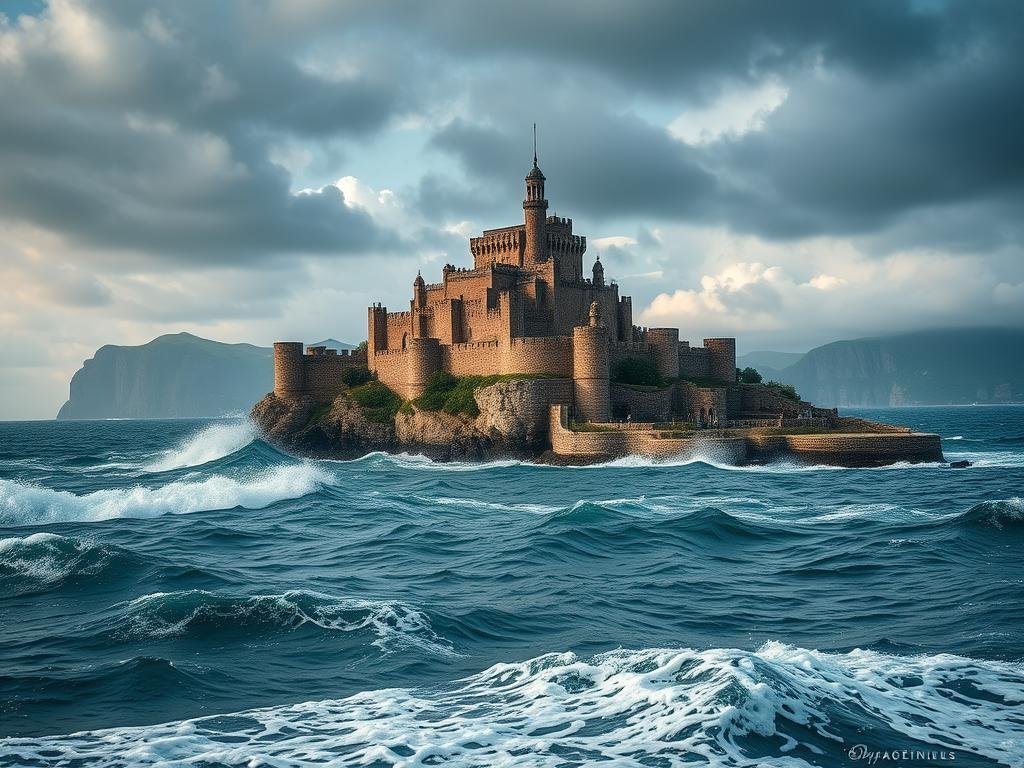
The success of serialized literature, which was ubiquitous in the mid-19th century due to the high cost of books, allowed “The Count of Monte Cristo” to secure a vast readership and enduring fame. Dumas’s Château d’If continues to captivate readers with its blend of historical accuracy and adventurous fiction.
Appearances in Movies and TV Shows
Beyond literature, Château d’If has been immortalized in numerous film adaptations. The 2002 film “The Count of Monte Cristo,” starring Jim Caviezel and Guy Pearce, brought new attention to this historical site. More recently, the film adaptation featuring Pierre Niney recorded nearly 5 million admissions in France during the summer of 2024, highlighting the enduring appeal of Dumas’s Château d’If. Since the release of this adaptation, the attendance at the Château d’If tourist site has increased by 30%.
The fortress’s cinematic allure draws visitors who wish to explore the real-life setting of these captivating stories. The intersection of Château d’If in literature and its visual portrayals in movies and TV shows firmly anchors it within popular culture, making it a timeless landmark of both historical and fictional significance.
Guided Tours: What to Expect
Embarking on a Château d’If tour offers an enchanting journey through history, blending the rich legacy of the fortress with the breathtaking panoramas of the surrounding Mediterranean. The guided visit Château d’If unveils the hidden stories and mystique enshrined within its walls.
Types of Tours Available
Visitors can choose from a variety of guided tours, designed to cater to different interests and time frames. From compact express tours to comprehensive explorations, each visit is a chance to delve into the intricate fabric of this historic site. The standard historical tours France are particularly popular, offering insights into the fortress’s multifaceted past, including its role as a notorious prison during the Ancien Régime.
Highlights of a Guided Experience
The highlights of a guided experience at Château d’If include an intimate look at the cells that once confined some of history’s most infamous figures, such as the captain of the Grand-Saint-Antoine and the Count of Mirabeau. A Château d’If tour also features spellbinding historical reenactments that transport visitors back to the time of King Francis I, who ordered the fortress’s construction between 1529 and 1531.
One of the most awe-inspiring moments on this guided visit Château d’If is reaching the top of St. Christopher’s Tower, where visitors are rewarded with panoramic views that stretch across Marseille and its scenic coastline. This vantage point offers a perfect opportunity to appreciate the fortress’s strategic importance in protecting the city from sea invasions.
Discovering the Natural Surroundings
Surrounded by the stunning natural surroundings Château d’If, visitors are treated to unparalleled vistas that embody the rugged charm of the Mediterranean landscape. The dramatic contrast between the fortress’s architectural mastery and the untouched beauty of If Island elevates the experience for all who venture here.
Scenic Views from the Fortress
Perched atop the fortress, breathtaking scenic views Marseille and the expansive Mediterranean Sea unfold before your eyes. The island of Château d’If stands 1.5 km offshore, offering a unique vantage point to capture the alluring coastline and the ethereal blend of azure waters and sky. This naturally occurring picturesque setting is a reminder of the timeless allure that attracted King François I to construct this formidable stronghold in 1524.
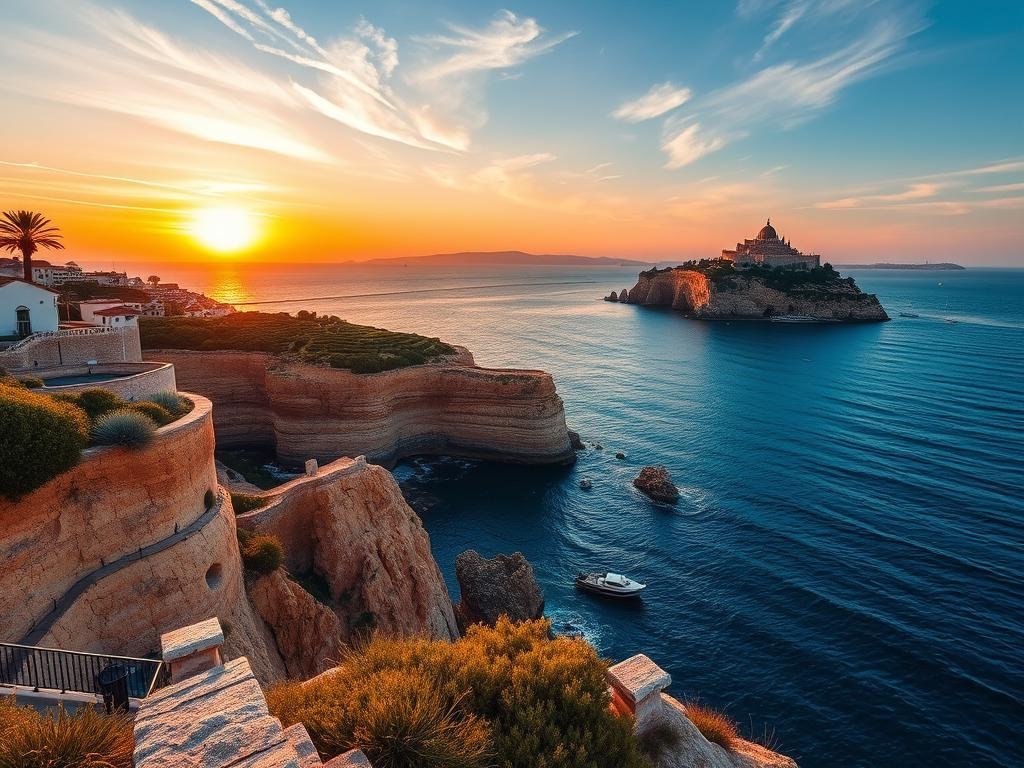
Whether you are an avid photographer or simply a lover of panoramic vistas, the fortress’s high-standing walls provide a perfect platform to witness and immortalize the scenic landscape that frames the vibrant city of Marseille.
Wildlife and Flora in the Area
The island’s flora displays a charming contrast to the fortress’s stone facade, with a variety of Mediterranean plants dotting the rugged terrain. The wildlife near Marseille adds an element of serene beauty, offering occasional sightings of seabirds and other small animals that thrive in this historical haven. These natural habitats have been meticulously preserved to promote sustainable tourism, ensuring the longevity of both the environmental and cultural heritage of Château d’If.
Visitors can explore these natural surroundings Château d’If, immersing themselves in a verdant escape that harmonizes impeccably with the historical significance of the location. Each step on this iconic island is not just a walk through history but also an intimate encounter with nature’s own artistry.
Visitor Information
Planning a visit to Château d’If? Here is all the essential information you need for a fulfilling experience.
Opening Hours and Admission Fees
The Château d’If is open most of the year on a seasonal timetable published on the official website. and remains closed on Mondays during this period. Admission is charged, with free entry for certain visitors including many under-26 EU nationals — see the official website for current rates. A digital travel guide is also available. Don’t miss the chance to explore firsthand the historical site by checking Château d’If opening hours before planning your itinerary.
Essential Tips for Tourists
Visiting Château d’If can be an enchanting experience with the right preparation. Here are some essential tips to ensure a smooth trip:
- Book in Advance: Given the fortress’s popularity, especially during peak travel seasons (spring, summer, and fall), it’s highly recommended to reserve your spot ahead of time to avoid disappointment.
- Check the Weather: The fortress, located within the Calanques National Park, requires a boat trip to reach. Be mindful of weather conditions which can affect boat schedules.
- Comfortable Footwear: Wear sturdy shoes to navigate the uneven surfaces of this historic site, ensuring a comfortable experience as you discover its many layers of stories.
- Plan Your Return: Keep an eye on the last boat’s departure times to avoid getting stranded on the island. Timely attention helps you manage your beautiful day effectively.
Following these tips will surely enhance your visit Château d’If, making it a memorable journey through history and natural beauty.
Engaging Activities at Château d’If
Château d’If offers a multitude of unique experiences, merging its historical grandeur with present-day vibrancy. From captivating photography opportunities to immersive historical reenactments, visitors can engage with its rich heritage in diverse ways.
Photography Opportunities
Photography enthusiasts will find the Château d’If a treasure trove of visual delights. The fortress’s rugged stone walls and majestic structures create a stark contrast against the shimmering blue waters of the Mediterranean. Capturing these scenes can turn any photo into a majestic masterpiece, elevating one’s appreciation for the site’s architectural beauty and natural surroundings. The carefully preserved fortifications provide numerous vantage points, enabling photographers to artistically frame their shots.
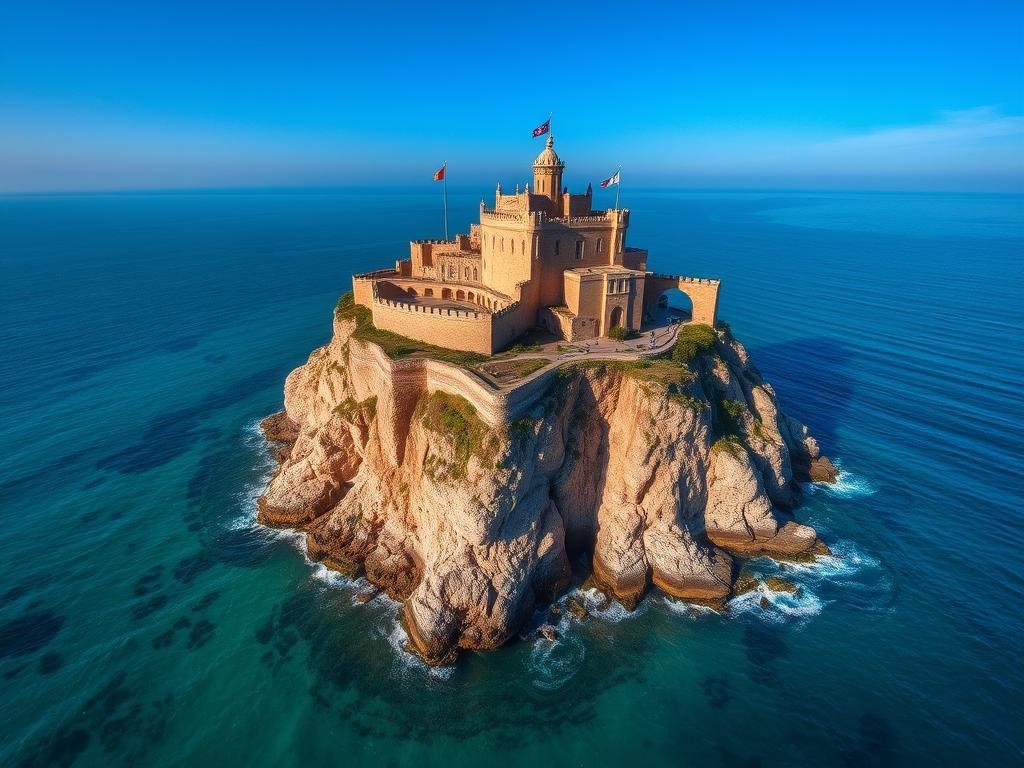
Whether you are a professional or an amateur, the photography Château d’If presents is bound to delight, from panoramic shots of the entire fortress to intimate close-ups of its weathered stone work. With every click, you immortalize a piece of this historic marvel’s essence.
Historical Reenactments and Events
The historical reenactments Château d’If hosts are an engaging way to delve into the fortress’s storied past. These well-orchestrated performances bring to life the dramatic events that unfolded within the walls of the Château, offering a vivid portrayal of its fascinating history. Visitors can witness actors in period costumes recreating notable events, providing an engaging and educational experience for all ages.
In addition to historical reenactments, special events often include interactive activities such as scavenger hunts and theatrical performances, enhancing the overall visitor experience. The stark beauty and historical significance of Château d’If activities like these not only educate but also create lasting memories for all attendees.
Whether you’re capturing these moments through photography Château d’If or participating in one of the many planned events, every visit promises a unique glimpse into the past, set against the breathtaking backdrop of this iconic fortress.
What Makes Château d’If Unique?
Nestled on a small island off the coast of Marseille, the Château d’If stands as an iconic symbol of resilience and mystery. This formidable fortress, often cited in Château d’If prison history, has drawn countless visitors intrigued by its legends and architectural splendor.
Its Role as a Prison
The Château d’If’s transformation from a strategic military fortress to a notorious prison began in 1540. Initially constructed between 1529 and 1531 on the orders of King Francis I, it served to protect Marseille from sea invasions and maintain an eye on the city after its incorporation into France. However, over time, it became infamous for its harsh living conditions, where prisoners often had a life expectancy of only nine months.
During the Ancien Regime, it was common to exile prisoners to island fortresses, with the Château d’If among the most feared. Once, around 3500 Huguenots were held here before being sent to the galleys, following the revocation of the Edict of Nantes by Louis XIV. The notorious nature of this prison has a prominent place in Château d’If prison history, offering a chilling reminder of past political and religious strife.
The Mystique and Legends Surrounding It
The Château d’If is enveloped in a shroud of legends Château d’If that captivate the imagination. One of the most enduring tales is woven by Alexandre Dumas in his novel “The Count of Monte Cristo.” This literary masterpiece has etched the château into global consciousness, portraying it as a place of intrigue and dramatic escapes. The novel became an international sensation, translated into more than 20 languages, and adapted into numerous films, radio dramas, and plays. This widespread cultural dissemination has amplified the château’s legendary status.
The eerie tales of hidden treasures, phantom prisoners, and daring escapes contribute to the château’s mystique, drawing in visitors eager to connect with one of France’s unique historical sites. The castle’s imposing architecture, coupled with its dark past, creates a compelling narrative that continues to fascinate tourists and historians alike.
Dining and Shopping Near Château d’If
For visitors exploring the historic Château d’If, enjoying a delicious meal at one of Marseille’s renowned restaurants is a must. While dining options on If Island itself are limited, there are plenty of outstanding eateries nearby offering Provencal and Mediterranean cuisine.
Recommended Restaurants
Marseille boasts a rich selection of culinary delights. Among the top recommendations are Le 24, Le Dining Room, and La Fiancée. These locales are celebrated for their delectable brunch offerings and picturesque settings. Whether you’re indulging in freshly caught seafood or savoring a glass of local wine, the dining scene near Château d’If is sure to enhance your visit.
Local Souvenirs and Crafts
No trip to Marseille is complete without picking up some memorable souvenirs. For those looking to capture the essence of their visit, the city offers a plethora of shopping experiences. Popular spots include the Terrasses du Port and the Docks Village, both open on Sundays for convenient shopping. Here, you can find a variety of Marseille souvenirs, from books about the legendary Count of Monte Cristo to beautifully crafted local artisan products.
In addition to these larger shopping centers, the city center is dotted with charming boutiques and flea markets. These markets are perfect for discovering unique Marseille souvenirs that reflect the vibrant local culture. Whether it’s a handcrafted ornament, aromatic soap, or a piece of regional art, the options are abundant and diverse.
Thus, combining the natural beauty and historical allure of Château d’If with the culinary delights and unique shopping experiences in Marseille creates an unforgettable journey for visitors.
Preserving the Legacy of Château d’If
The Château d’If stands as a testament to a bygone era, and our commitment to its legacy ensures its grandeur perseveres for future generations. The preservation of the Château d’If involves meticulous attention to both its natural and architectural elements.
Restoration Efforts
Ongoing restoration historical sites initiatives are essential for maintaining the Château’s structural integrity. The restoration efforts draw upon historical records to ensure accuracy in preserving the site’s authenticity. Such efforts are not only vital for the château’s longevity but also for enhancing its aesthetic appeal for visitors.
The diligent restoration historical sites methods have been influenced by numerous historical projects, such as those seen with the Château de Monte-Cristo, which underwent significant restoration efforts before reopening as a public heritage site in 1994. Similar approaches are being applied to the Château d’If to maintain its grandeur and historical significance.
Educational Programs for Visitors
Educational programs Château d’If play a crucial role in sharing the rich history of the fortress. These programs cater to all ages, offering detailed insights into its cultural and historical importance. Through interactive sessions and guided tours, visitors can immerse themselves in the stories that have shaped the Château over centuries.
Moreover, these educational programs Château d’If are designed to be both engaging and informative, utilizing modern technology to bring history to life. By participating in these educational initiatives, visitors gain a deeper appreciation of the efforts put into the preservation Château d’If.
“The Château d’If is not just a historical monument; it is a living classroom where past meets present, offering an enriching experience for all who visit.” – Representation of educational endeavors
Conclusion: A Journey through Time at Château d’If
Reflecting on a visit to Château d’If, one embarks on an immersive journey through time, unveiling secrets from the ages. From its foundations as a formidable fortress to its infamous role as a prison, each stone whispers tales of justice and injustice. Crafted into the fabric of literary legend, the Château d’If’s historical influence permeates through Alexandre Dumas’ esteemed novel, “The Count of Monte Cristo,” which continues to intrigue readers since its mid-19th century publication, spanning over 1,200 pages and 118 chapters.
Final Thoughts on the Experience
The Château d’If visit is not merely an exploration of ancient architecture but a profound walk through the corridors of history. The narrative of Edmond Dantès, woven into the very stone of the Château, brings forth themes of vengeance, redemption, and omnipotence. Visitors are transported to the early 19th century, where Dantès, imprisoned and reborn as the count of Monte Cristo, devises his elaborate plans of retribution. The narrative’s adaptation into various cultural mediums, including television and film, signifies the timeless resonance of its themes.
The Lasting Impact of Château d’If
The legacy of Château d’If extends beyond mere historical significance, embodying the enduring human spirit’s quest for justice and freedom. The solitary confinement cells speak volumes of the countless prisoners who, like Dantès, faced their own trials and tribulations. It stands as a testament to the storyteller’s power and the inexorable pull of a captivating narrative. Each visitor leaves with not just memories but also reflection on themes of happiness, justice, and the haunting return of the past, enduring symbols of the Château d’If legacy.
FAQ
What is the history of Château d’If?
Château d’If was built from 1529 to 1531 under King François I to defend Marseille from sea invasions. Over the centuries, it transitioned from a fortress to a prison, famously holding political and religious prisoners.
Where is Château d’If located?
Château d’If is located on the small island of If, situated 3.5 kilometers off the coast of Marseille, France. It is accessible only by boat.
What are the best times to visit Château d’If?
The optimal visiting months for Château d’If are from April to September, when the weather is pleasant and the seas are calmer.
What architectural features can be seen at Château d’If?
Château d’If features classic French military architecture, including imposing stone walls, watchtowers, and ramparts. Notable areas include the cell of Edmond Dantès from Alexandre Dumas’s novel “The Count of Monte Cristo.”
How has Château d’If been represented in popular culture?
Château d’If is famously depicted in Alexandre Dumas’s novel “The Count of Monte Cristo” and has appeared in various film and television adaptations, solidifying its place in popular culture.
What types of guided tours are available at Château d’If?
Visitors can choose from various guided tours, including historical tours that explore the fortress’s past as a prison and its literary significance, often featuring notable cells and historical reenactments.
Are there any natural attractions near Château d’If?
Yes, the nearby Frioul archipelago offers excellent hiking trails and panoramic views of Marseille, adding to the natural allure of the visit to Château d’If.
What are the opening hours and admission fees for Château d’If?
Château d’If is open to visitors most days from April through September. The admission fee typically includes both entry to the fortress and boat transportation from Marseille’s Old Port.
What activities can visitors engage in at Château d’If?
Visitors can enjoy photography, exploring the fortress’s architectural details, and participating in historical reenactments and events that bring the site’s past to life.
What makes Château d’If unique?
Château d’If’s unique allure lies in its dual role as a fortress and a prison, immortalized in literature by Dumas. The legends of daring escapes and mysterious prisoners add to its mystique.
Are there dining and shopping options near Château d’If?
Dining options on If Island are limited, but Marseille boasts a rich selection of restaurants serving Provencal and Mediterranean cuisine. Souvenir shops in Marseille offer books about “The Count of Monte Cristo” and local artisan crafts.
What efforts are being made to preserve Château d’If?
Ongoing restoration ensures the structural integrity and historical accuracy of Château d’If. Educational programs are also available to enhance the visitor experience and impart deeper insights into the site’s history.